Dangerous Foods!!!

What are the Dangerous Foods for Cockatiels?

Cockatiels are small parrots that have specific dietary needs to stay healthy. Some Dangerous Foods can be harmful to them due to their unique digestive systems and sensitivities.


Here are some Dangerous Foods to avoid feeding to cockatiels:

Avocado:

Avocado contains a substance called Persin, which is toxic to birds and can lead to serious health issues or even death.

Chocolate:

Chocolate is toxic to many animals, including birds. It contains theobromine, which can be harmful.

Caffeine:

Avoid giving your cockatiel any caffeinated beverages or foods, as caffeine is a Dangerous Foods for birds.

Onions and Garlic:

These foods can cause digestive issues and even damage to the red blood cells of birds.

High-Fat and High-Sugar Foods:

Foods like fried foods, sugary snacks, and salty foods should be avoided as they can lead to obesity and other health problems.

Processed Foods:

Foods that are high in additives, preservatives, and artificial colors or flavors are not suitable for cockatiels.

Salty Foods:

Excess salt is not good for cockatiels. Avoid feeding them salty snacks like chips or pretzels.

Fruit Pits and Seeds:

While some fruits are safe for cockatiels, avoid giving them fruits with pits (like peaches or cherries) and seeds from fruits like apples, as they can contain small amounts of cyanide.

Dairy Products:

Cockatiels are lactose intolerant and cannot properly digest dairy products.

Alcohol:

Alcohol is toxic to birds and should never be given to them.

Raw Beans and Legumes:

Uncooked beans and legumes contain toxins that can be harmful to birds. Make sure these foods are properly cooked if you want to offer them.

Unwashed or Contaminated Foods:

Make sure any fresh foods you offer to your cockatiel are thoroughly washed to remove pesticides and other contaminants.

Remember, the main part of a cockatiel’s diet should consist of a high-quality, pelleted bird feed. This should be supplemented with fresh fruits, vegetables, and occasional treats that are safe for them. Always do thorough research or consult with an avian veterinarian before introducing new foods into your cockatiel’s diet to ensure their safety and nutritional value.


You can check more videos in our Youtube Channel.

If you want to learn more, you can check other Posts


Is potato good?

Is potato good for Cockatiels bird?

Is potato good for Cockatiels bird or no, we can say Potatoes are not recommended as a primary food for cockatiels or most other pet birds. While potatoes are a staple in human diets, they are not an ideal choice for birds like cockatiels because they are high in starch and carbohydrates and lack the essential nutrients that birds need.

Cockatiels require a balanced diet that includes a variety of fruits, vegetables, seeds, and pellets specifically formulated for their nutritional needs. Potatoes can be difficult for birds to digest due to their starch content, and feeding them in excess can lead to nutritional imbalances. Furthermore, some potato varieties can be toxic to birds because they contain compounds called solanines, which are harmful when consumed in large amounts.

If you want to provide your cockatiel with a healthy and balanced diet, it’s best to offer them foods that are safe and suitable for their nutritional requirements. You can include a variety of vegetables like carrots, peas, and leafy greens, as well as fruits like apples, pears, and berries in their diet. Additionally, providing a high-quality cockatiel pellet as a primary source of nutrition is recommended.

Always consult with an avian veterinarian or a bird specialist to ensure you are meeting your cockatiel’s specific dietary needs and to discuss any concerns about their health and nutrition.


Certainly! In addition to a balanced diet, there are some general guidelines you can follow to ensure the well-being of your cockatiel:

Fresh Water:

Always provide fresh, clean water for your cockatiel. Change the water daily to prevent bacterial growth.

Pellets:

High-quality cockatiel pellets are formulated to provide essential nutrients. They should make up a significant portion of your bird’s diet.

Variety in Vegetables and Fruits:

Offer a diverse range of fresh vegetables and fruits to provide essential vitamins and minerals. Examples include carrots, spinach, kale, apples, berries, and more.

Seeds:

While seeds can be part of the diet, they should not be the main component. Too many seeds can lead to nutritional imbalances. Use them as treats or as a smaller part of the overall diet.

Avoid Toxic Foods:

Some foods are toxic to birds. Avoid giving your cockatiel avocado, chocolate, caffeine, alcohol, onions, garlic, and foods high in salt or sugar.

Grit:

Contrary to popular belief, cockatiels do not require grit for digestion, and excessive grit consumption can lead to health issues. If they are on a balanced diet, grit is generally unnecessary.

Fresh Greens:

Offer fresh, bird-safe branches or leaves from non-toxic trees. This provides mental stimulation and encourages natural behaviors like chewing.

Limit Processed Foods:

Minimize the intake of processed and high-fat foods. Human snacks and foods often contain ingredients that may not be suitable for birds.

Regular Vet Check-ups:

Schedule regular check-ups with an avian veterinarian to monitor your cockatiel’s health, discuss any dietary concerns, and address potential issues early.

Monitor Weight:

Keep an eye on your cockatiel’s weight. Obesity can be a problem in pet birds, and sudden weight loss or gain may indicate health issues.

Remember that individual birds may have different preferences and nutritional needs. It’s essential to observe your cockatiel’s behavior and adjust its diet accordingly. If you have specific concerns or questions about your bird’s diet, consult with an avian veterinarian for personalized advice.


You can check more videos in our Youtube Channel.

If you want to learn more, you can check other Posts
Can eat banana?

Can eat banana?

Can Cockatiels eat banana?

Yes, cockatiels can eat bananas in moderation. Bananas are safe for cockatiels to consume and can be a healthy treat when given in appropriate amounts. They are a good source of vitamins, minerals, and dietary fiber.

However, like with any treat, it’s important to remember a few key points:

Moderation:

While bananas are safe, they are also high in natural sugars. Too much sugar can be unhealthy for birds. Offer small, bite-sized pieces occasionally, not as a primary food source.

Variety:

A healthy diet for a cockatiel should consist primarily of high-quality pelleted bird food, supplemented with fresh vegetables, fruits, and occasionally seeds.

Preparation:

Make sure to wash the banana thoroughly and remove the peel. You can cut the banana into small, manageable pieces for your cockatiel to eat.

Freshness:

Only offer fresh bananas. Remove any uneaten portions from the cage after a few hours to prevent spoilage.

Watch for Allergies:

Just like humans, some birds might have sensitivities or allergies to certain foods. Watch for any adverse reactions after introducing bananas for the first time.

Remember that every bird is different, and preferences and tolerances can vary. If you’re unsure about introducing new foods into your cockatiel’s diet, it’s always a good idea to consult with an avian veterinarian. They can provide you with personalized advice based on your bird’s specific needs and health considerations.


You can check more videos in our Youtube Channel.

If you want to learn more, you can check other Posts
Are walnuts safe?

Are walnuts safe?

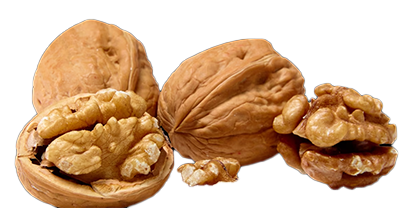
Are walnuts safe for Cockatiels?

Cockatiels are omnivorous birds and have a varied diet in the wild, which includes seeds, fruits, vegetables, and some insects. now question is : Are walnuts safe? While walnuts can be included in a cockatiel’s diet occasionally, they should be given in moderation due to their high fat content.

Here are some considerations:

Moderation:

Walnuts are high in fat, which can be beneficial for cockatiels in small amounts, especially during molting or in colder weather when they may need extra energy. However, excessive fat intake can lead to obesity and health issues in birds.

Nutritional Variety:

Cockatiels should have a varied diet to ensure they receive all the necessary nutrients. Walnuts should only be a part of this variety and not a staple food.

Preparation:

If you choose to feed walnuts to your cockatiel, ensure they are unsalted and unseasoned. Remove the shell and break the nut into small, manageable pieces to prevent choking hazards.

Freshness:

Always provide fresh nuts to your cockatiel. Stale or rancid nuts can be harmful to birds.

Observe:

Pay attention to your cockatiel’s reaction to walnuts. Some birds may enjoy them, while others may not be interested. If your cockatiel seems to like walnuts, you can offer them as an occasional treat.

Remember that a balanced diet for a cockatiel should primarily consist of high-quality pellet or seed mixes designed for cockatiels, along with fresh fruits and vegetables. Walnuts should not replace these essential components but can be offered as an occasional supplement to add variety to their diet. It’s also a good idea to consult with an avian veterinarian for specific dietary recommendations tailored to your cockatiel’s individual needs.

You can check more videos in our Youtube Channel.

If you want to learn more, you can check other Posts

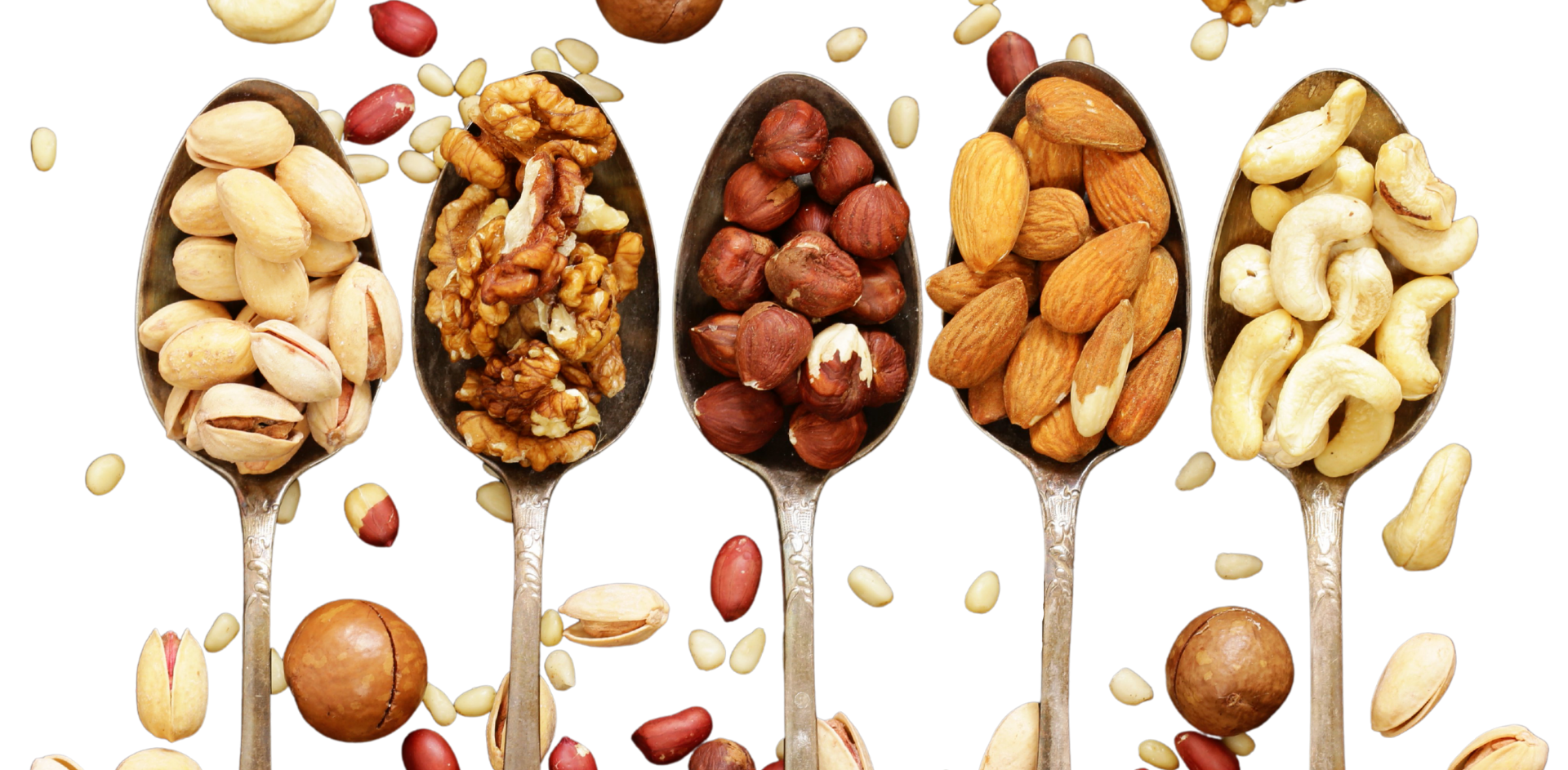
Best Nuts!!!

Best Nuts!!!

What are the best nuts for Cockatiels?

Cockatiels can enjoy a variety of nuts as part of their diet, but it’s important to offer them in moderation since nuts are high in fat. Here are some of the best nuts for cockatiels:

Almonds:

Almonds

These nuts are a useful source of healthy fats and protein. Ensure they are unsalted and preferably raw, salted, or roasted almonds can be harmful to your bird.

Walnuts:

These nuts are another excellent source of healthy fats and protein. Like almonds, they are unsalted and raw.

Pecans:

Pecans

These nuts are a bit softer than almonds and walnuts, which can be easier for cockatiels to crack open.

Brazil Nuts:

Brazil Nuts

These are rich in selenium, which is essential for cockatiels. However, due to their high selenium content, they feed them sparingly.

Hazelnuts:

Hazelnuts

These nuts can be given occasionally. They are rich in nutrients but should also be provided in moderation.

Macadamia Nuts:

Macadamia Nuts

These are high in fat and should be fed sparingly. Some experts even recommend avoiding them entirely due to potential toxicity.

When offering nuts to your cockatiel, always ensure they are unsalted and not coated in any flavorings or additives.
Also, consider chopping or breaking the nuts into smaller pieces to make them easier for your bird to eat.
Nuts should be part of a balanced diet, which includes a variety of fresh fruits, vegetables, and high-quality pellets specifically formulated for cockatiels.

Remember to monitor your cockatiel’s weight and adjust its diet accordingly to prevent obesity.
Consult with an avian veterinarian for specific dietary recommendations for your pet.


If you want to know more about cockatiels, click here.

You can check more videos on our Youtube Channel.


Never do these!!!

Never do these!!!

If you like your bird, Never do these Ten tips with your cockatiel.

1. Don’t keep your cockatiel in a small cage.

  • Cockatiels are active birds and require enough space to move around and stretch their wings. Keeping them in a small cage
    can cause stress, depression and other health issues.

2. Don’t ignore your cockatiel.

  • Cockatiels are social birds and require attention and interaction from their owners. Neglecting them can lead to behavioral problems and even depression.

3. Don’t force your cockatiel to do something they don’t want to.

  • Cockatiels are intelligent creatures and have their own preferences. Forcing them to do something they don’t want to do can cause stress and can even lead to physical harm.

4. Don’t feed your cockatiel an unhealthy diet.

  • Cockatiels require a well-balanced diet that includes fresh fruits, vegetables and a high-quality pellet or seed mix. Feeding them a diet that’s high in fat or sugar can lead to obesity and other health problems.

5. Don’t expose your cockatiel to toxic fumes or chemicals.

  • Cockatiels have sensitive respiratory systems and exposure to toxic fumes or chemicals can be harmful or even fatal. Keep your cockatiel away from areas where you use chemicals or strong cleaning products and avoid smoking near them.

6. Don’t clip their wings improperly.

  • If you choose to clip your cockatiels wings. Make sure that you do it properly or have it done by a professional. Improper wing clipping can cause injury or even prevent the bird from flying altogether.

7. Don’t leave your cockatiel in direct sunlight.

  • Cockatiels are sensitive to heat and can easily overheat if left in direct sunlight for too long. Make sure that they have access to shade and plenty of fresh water on hot days.

8. Don’t use abrasive cleaning products on their cage.

  • When cleaning your cockatiels cage. Avoid using abrasive cleaning products as they can be harmful to the birds. Sensitive respiratory system. Instead, use mild soap and water or a bird safe cleaning product.

9. Don’t introduce a new bird without proper quarantine.

  • If you’re introducing a new cockatiel to your household, make sure to quarantine the new bird for a few weeks before introducing it to your existing birds. This can help prevent the spread of diseases and ensure that the new bird is healthy.

10. Don’t use harsh training methods.

  • Cockatiels are intelligent birds and can be trained, but it’s important to use positive reinforcement training methods using harsh training methods or punishment can cause fear and aggression in your bird and can damage your bond with them.

Be make sure to Never do these tips with your Cockatiel.


If you want to know more about cockatiels, click here.

You can check more videos in our Youtube Channel.