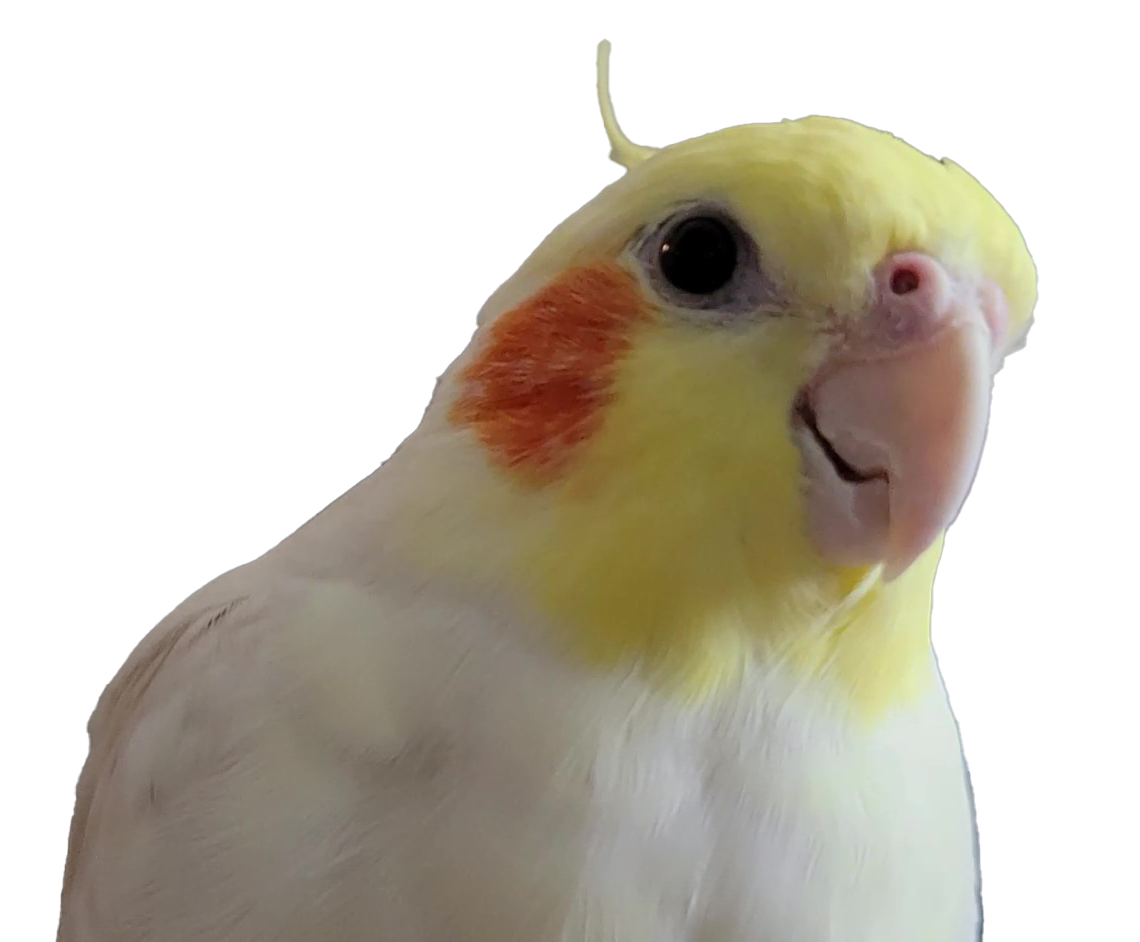
Building a friendship with a Cockatiel takes patience, consistency and a gentle approach.
Here are some steps to follow.
Give your Cockatiel time to get used to you
When you first bring your Cockatiel home, give it a few days to settle into its pristine environment. After a few days, start spending time with it regularly, but let it come to you on its terms.
Offer treats
Offer your Cockatiel treats, such as Millet, fruit and vegetables to show that you are a source of positive reinforcement. Be sure to offer treats in a consistent manner, such as at the same time every day.
Talk to your Cockatiel
Cockatiels are social creatures and enjoy hearing human voices. Talk to your Cockatiel in a gentle and reassuring tone.
Offered toys and purchases
Provide your Cockatiel with toys and perches to keep it stimulated and active. Spend time playing with your Cockatiel, using its toys to help build trust.
Train your Cockatiel
Cockatiels are intelligent birds and can be trained to do simple tricks such as stepping onto your hand. Training can help build a bond between you and your Cockatiel.
Be patient
Building a friendship with a Cockatiel takes time and patience. Respect your cockatiels boundaries and never force it to interact with you.
By following these steps, you can build a trusting and friendly relationship with your Cockatiel.
(Adversarial Tactics, Techniques, and Common Knowledge)
is a framework developed by MITRE Corporation, a not-for-profit organization dedicated to solving problems for a safer world. ATT&CK is a knowledge base that categorizes the tactics, techniques, and procedures (TTPs) used by adversaries or attackers during cyber intrusions.
The framework provides a comprehensive understanding of how cyber adversaries operate by organizing their behaviors into a matrix. This matrix consists of various tactics that represent high-level objectives an attacker may have (such as initial access, execution, persistence, privilege escalation, etc.) and techniques that represent specific methods or actions used to achieve those objectives.
Each technique is associated with real-world examples of how attackers have historically carried out cyber-attacks. The goal of ATT&CK is to assist organizations in improving their cyber defenses, threat detection, and response capabilities by mapping their security measures to the known tactics and techniques used by adversaries.
It’s widely used in cybersecurity for several purposes, including threat intelligence, red teaming, blue teaming, security assessments, and improving security posture by identifying and mitigating potential attack vectors based on known adversary behaviors. The framework is continuously updated and expanded to reflect the evolving landscape of cyber threats and attack methodologies.
Here are some examples of techniques related to Initial Access in the MITRE ATT&CK framework:
Spear phishing Attachment (T1566.001):
Attackers send tailored emails with malicious attachments to trick users into opening them, leading to the execution of malicious code.
Spear phishing Link (T1566.002):
Attackers send tailored emails containing links to malicious websites or resources to trick users into clicking, leading to exploitation or malware installation.
Valid Accounts (T1078):
Attackers use previously obtained credentials, such as stolen or purchased credentials, to gain unauthorized access.
External Remote Services (T1133):
Attackers exploit externally accessible services, such as VPNs or web services, to gain initial access to a network.
Exploit Public-Facing Application (T1190):
Attackers exploit vulnerabilities in public-facing applications, such as web servers, to gain access to the targeted network.
Drive-by Compromise (T1189):
Attackers compromise a legitimate website to host and deliver malicious content to visitors’ systems.
Phishing (T1566):
Attackers send deceptive communications (email, SMS, etc.) to trick individuals into divulging sensitive information or performing actions that compromise security.
Supply Chain Compromise (T1195):
Attackers target suppliers or vendors to gain access to their networks, which in turn could provide access to the targeted network.
These are just a few examples; the MITRE ATT&CK framework covers a wide array of tactics and techniques used by adversaries during different stages of a cyberattack. Each technique may have various sub-techniques and mitigations associated with it, providing a comprehensive understanding of potential threats and appropriate defenses.
You can find other learning for Security by clicking here.
What should I give the Cockatiel to breed faster ?
Breeding cockatiels involves creating an optimal environment and providing the necessary care rather than attempting to speed up the process artificially. Breeding birds require a balanced diet, suitable housing, and a comfortable setting to encourage natural breeding behavior. Here are some tips to help create a conducive environment for your cockatiels to breed:
Balanced diet:
Provide a nutritious and varied diet to ensure the birds are healthy and in optimal breeding condition. This includes a high-quality seed mix supplemented with fresh fruits, vegetables, and occasional protein sources like boiled egg or mealworms. Consult with an avian veterinarian or an experienced breeder for specific dietary recommendations.
Suitable housing:
Provide a spacious cage or an aviary that allows the birds to fly and move around comfortably. Ensure the cage has appropriate perches, nesting boxes, and privacy areas for breeding. The nesting box should have a suitable size and be made of safe materials.
Lighting and temperature:
Cockatiels require a consistent and appropriate photoperiod to stimulate breeding behavior. Maintain a natural light cycle of 12-14 hours of light and 10-12 hours of darkness. Additionally, ensure the temperature in the breeding area is within the optimal range for cockatiels (around 70-80°F or 21-27°C).
Environmental enrichment:
Provide plenty of toys, branches, and other environmental enrichment to keep the birds mentally stimulated and physically active. This can help simulate natural behavior and encourage breeding instincts.
Pairing compatibility:
Ensure you have a compatible breeding pair of cockatiels. Introduce the male and female gradually and observe their behavior for signs of compatibility. If they do not get along or show aggression, it may be necessary to try different pairings.
Patience and observation:
Breeding cockatiels naturally takes time and cannot be rushed. Provide a peaceful environment, observe the birds for signs of courtship and mating behavior, and be patient. Trying to force breeding may cause stress and be counterproductive.
It’s important to note that breeding birds requires experience, knowledge, and careful consideration. If you are new to breeding cockatiels, it may be helpful to consult with an experienced aviculturist or a veterinarian who specializes in avian care to ensure the well-being of your birds throughout the breeding process.
Cockatiels are small parrots that have specific dietary needs to stay healthy. Some Dangerous Foods can be harmful to them due to their unique digestive systems and sensitivities.
Here are some Dangerous Foods to avoid feeding to cockatiels:
Avocado:
Avocado contains a substance called Persin, which is toxic to birds and can lead to serious health issues or even death.
Chocolate:
Chocolate is toxic to many animals, including birds. It contains theobromine, which can be harmful.
Caffeine:
Avoid giving your cockatiel any caffeinated beverages or foods, as caffeine is a Dangerous Foods for birds.
Onions and Garlic:
These foods can cause digestive issues and even damage to the red blood cells of birds.
High-Fat and High-Sugar Foods:
Foods like fried foods, sugary snacks, and salty foods should be avoided as they can lead to obesity and other health problems.
Processed Foods:
Foods that are high in additives, preservatives, and artificial colors or flavors are not suitable for cockatiels.
Salty Foods:
Excess salt is not good for cockatiels. Avoid feeding them salty snacks like chips or pretzels.
Fruit Pits and Seeds:
While some fruits are safe for cockatiels, avoid giving them fruits with pits (like peaches or cherries) and seeds from fruits like apples, as they can contain small amounts of cyanide.
Dairy Products:
Cockatiels are lactose intolerant and cannot properly digest dairy products.
Alcohol:
Alcohol is toxic to birds and should never be given to them.
Raw Beans and Legumes:
Uncooked beans and legumes contain toxins that can be harmful to birds. Make sure these foods are properly cooked if you want to offer them.
Unwashed or Contaminated Foods:
Make sure any fresh foods you offer to your cockatiel are thoroughly washed to remove pesticides and other contaminants.
Remember, the main part of a cockatiel’s diet should consist of a high-quality, pelleted bird feed. This should be supplemented with fresh fruits, vegetables, and occasional treats that are safe for them. Always do thorough research or consult with an avian veterinarian before introducing new foods into your cockatiel’s diet to ensure their safety and nutritional value.
In these series we have some “Sample Exams of Cybersecurity”, “Practice Cybersecurity Examinations”, “Cybersecurity Test Previews” and “Mock Cybersecurity Tests”
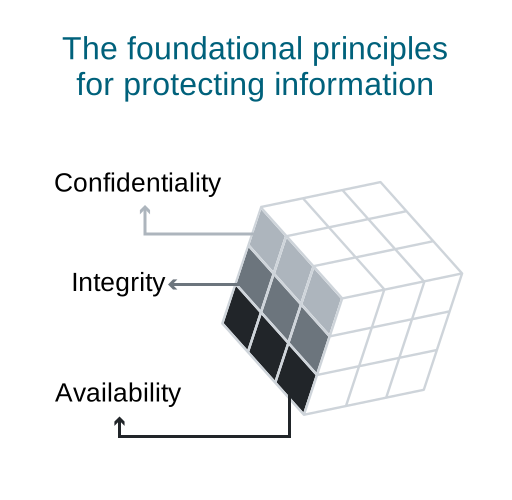
McCumber CUBE:
This could refer to a cybersecurity risk management framework developed by John McCumber, known as the McCumber Cube. It provides a structured way of understanding and managing security risks within an organization by considering three dimensions: confidentiality, integrity, and availability (often referred to as the CIA triad).
McCumber diagram:
In software engineering, the McCumber diagram is a graphical representation used to depict various dimensions of security in a system. It can display information regarding security attributes, vulnerabilities, threats, and countermeasures.
McCumber’s model or theories:
John McCumber is known for his contributions to cybersecurity and philosophy. He has written about the intersection of philosophy and technology, exploring the ethical and moral aspects of information security.
Cyberwarfare:
Cyberwarfare refers to the use of digital attacks, hacking, and other technological means to disrupt, damage, or gain unauthorized access to computer systems, networks, or information. The purpose of cyberwarfare can vary significantly based on the objectives of the parties involved. Here are some primary purposes or objectives associated with cyberwarfare:
National Security and Defense: Nations engage in cyberwarfare to protect their national security interests. This includes defending against cyber-attacks from other countries, safeguarding critical infrastructure (such as power grids, financial systems, and communication networks), and ensuring the security of military systems.
Espionage and Intelligence Gathering: Cyberwarfare is used for espionage purposes, allowing nations to gather intelligence on other countries, including government activities, military strategies, economic data, and technological advancements. This information can be used for strategic advantage or to stay informed about potential threats.
Political Influence and Manipulation: Some cyber operations aim to influence political processes, public opinion, or elections in other countries. This can involve spreading misinformation, manipulating social media, or breaching sensitive data to sway public sentiment or disrupt the political landscape.
Economic Warfare: Cyber-attacks can be used to sabotage or gain access to economic assets, trade secrets, intellectual property, or financial systems of other countries or corporations. Such attacks can cause significant economic damage or provide economic advantages to the attacking entity.
Military Operations and Warfare: Cyber capabilities are increasingly integrated into military strategies. They can be used to disrupt or disable enemy communication systems, command-and-control infrastructure, or weapon systems, creating advantages in traditional warfare scenarios.
Deterrence and Posturing: Nations may engage in cyber operations to highlight their capabilities, act as a deterrent against potential adversaries, or demonstrate their preparedness in the cyber domain. This serves to dissuade others from launching cyber-attacks or to signal the ability to retaliate effectively.
Non-state Actors and Ideological Motives: Some cyber-attacks are carried out by non-state actors, such as hacker groups or cybercriminals, for ideological reasons, financial gain, or to promote a specific agenda. These attacks might not be linked to state-sponsored cyberwarfare but can still cause significant disruptions.
It’s important to note that the landscape of cyberwarfare is complex and constantly evolving. Attribution of attacks, distinguishing between state and non-state actors, and the interconnected nature of cyberspace pose significant challenges in understanding and responding to cyber threats effectively. As technology advances, the purposes and methods of cyberwarfare will continue to evolve, requiring ongoing vigilance and adaptation in defensive and offensive strategies.
You can find other learning for Security by clicking here.