Halloween

Halloween

What is the history of Halloween?


The history of Halloween can be traced back over 2,000 years to the ancient Celtic festival of Samhain. Here is a brief overview of the historical evolution of Halloween:

Ancient Celtic Festival of Samhain (c. 800 BC):

Samhain was celebrated by the Celts in what is now Ireland, the United Kingdom, and northern France. It marked the end of the harvest season and the beginning of winter.

It was believed that on the night of October 31st, the boundary between the living and the dead was blurred, allowing spirits and other supernatural entities to roam the Earth.

To ward off these spirits, people lit bonfires and wore costumes made of animal heads and skins.

Roman Influence (43-410 AD):

The Roman Empire conquered much of the Celtic territory, and over time, Samhain merged with two Roman festivals, Feralia and Pomona.

Feralia was a day to commemorate the passing of the dead, while Pomona was a festival dedicated to the Roman goddess of fruit and trees. This fusion introduced elements of apple bobbing and nuts as divination methods into the celebrations.

Christian Influence (7th-8th Century AD):

In an effort to Christianize Celtic traditions, Pope Gregory III designated November 1st as All Saints’ Day, a day to honor saints and martyrs.

The night before, October 31st, became known as All Hallows’ Eve (Hallowe’en), and the traditions of Samhain were gradually incorporated into these Christian observances.

Medieval and Early Modern Period (c. 16th-19th Century):

Halloween evolved in Europe, particularly in Scotland and Ireland, with customs like costuming, carving turnips (later pumpkins in the United States), and the practice of “souling,” where people went door-to-door offering prayers for the dead in exchange for food or coins.

Irish and Scottish Immigration to North America (19th Century):

The influx of Irish and Scottish immigrants to North America in the 19th century brought Halloween traditions with them. It became more secular and community-focused, with a focus on parties, trick-or-treating, and costume parades.


Commercialization and Modern Halloween (20th Century):

In the 20th century, Halloween became increasingly commercialized, with the sale of costumes, decorations, and candy.

Trick-or-treating became a popular activity for children, and the holiday evolved into a more lighthearted, festive occasion.


Today, Halloween is celebrated in many countries around the world, with various customs and traditions. It has become a holiday associated with costumes, haunted houses, parties, and the exchange of sweets. It still retains some elements of its ancient and religious roots, but for many people, it’s a fun and spooky celebration of the fall season.


let’s to see video from our YouTube channel.

If you want to see more post, please click here.
 

Quebec City

Quebec City

What is the history of Quebec City?

Quebec City, or Ville de Québec in French, is the capital city of the province of Quebec in Canada. It is situated in the eastern part of the province along the St. Lawrence River and is known for its rich history, European charm, and stunning architecture.

The city’s historic district, Old Quebec (Vieux-Québec), is a UNESCO World Heritage site and features cobblestone streets, historic buildings, and fortifications dating back to the 17th century.

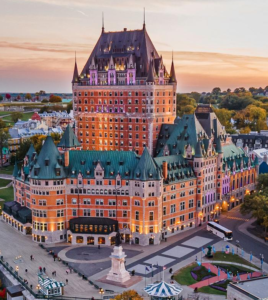
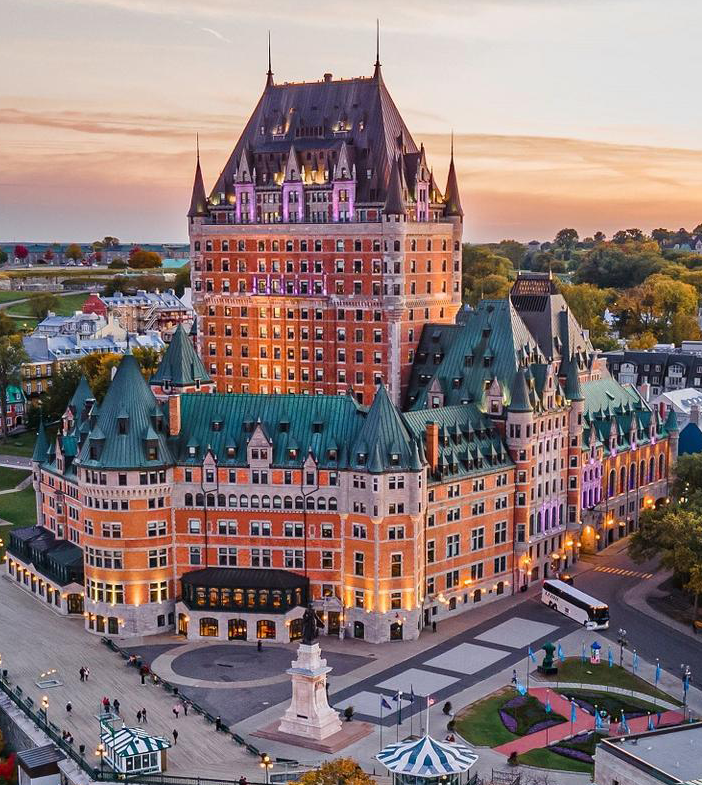
Within Old Quebec, notable attractions include the iconic Château Frontenac, a grand hotel with breathtaking views of the city and river, as well as Place Royale, the Petit-Champlain district, and the Citadelle of Quebec.

Quebec City

Quebec City

It is renowned for its festivals, including the Winter Carnival (Carnaval de Québec), one of the largest winter festivals in the world, celebrating winter sports, ice sculptures, and Quebecois culture. The city also offers a vibrant culinary scene, showcasing French-Canadian cuisine and numerous cafes, bistros, and restaurants.

Rich in history and culture, Quebec City serves as a hub for art, music, and heritage, attracting tourists from around the globe to explore its beauty and immerse themselves in its unique blend of European and North American influences.

It, located in the Canadian province of Quebec, has a rich and diverse history that spans centuries. Here’s an overview:

Early History:
  • Indigenous Settlements: Before the arrival of Europeans, the area was inhabited by various Indigenous peoples, notably the Huron-Wendat, the Iroquois, and the Algonquin.
European Exploration and Colonization:
  • Jacques Cartier: In 1534, French explorer Jacques Cartier arrived in the region, claiming it for France. He established a fort at the site of present-day Quebec City in 1535.
  • Samuel de Champlain: In 1608, Samuel de Champlain founded Quebec City, establishing it as a fur trading post and the capital of New France. The city’s strategic location along the St. Lawrence River contributed to its growth as a trading hub.
Colonial Period:
  • Conflict between France and England: It became a focal point during various conflicts between France and England for control over North America. The British captured Quebec City in 1629 but later returned it to France via the Treaty of Saint-Germain-en-Laye in 1632.
  • Battle of the Plains of Abraham: In 1759, during the Seven Years’ War, British forces, led by General James Wolfe, defeated the French under General Louis-Joseph de Montcalm on the Plains of Abraham, leading to the fall of Quebec City. This pivotal battle marked the end of French rule in Canada.
  • British Rule: Following the Treaty of Paris in 1763, which ended the Seven Years’ War, Quebec City and the rest of New France came under British control.
19th Century:
  • Constitutional Changes: After the American Revolution, many Loyalists (those loyal to the British Crown) settled in Quebec City and the surrounding areas. In 1791, the British Parliament passed the Constitutional Act, dividing Quebec into Upper and Lower Canada, with Quebec City as the capital of Lower Canada.
  • Political Unrest: Throughout the 19th century, tensions between English-speaking and French-speaking residents grew, leading to political unrest and calls for reform and representation.
Confederation and Modern Era:
  • Confederation: In 1867, Quebec City hosted the Quebec Conference, where discussions and agreements on Confederation took place. This resulted in the formation of the Dominion of Canada on July 1, 1867.
  • Cultural and Economic Development: Quebec City continued to grow as a cultural, economic, and political center. Efforts to preserve its historic sites, such as Old Quebec, led to its designation as a UNESCO World Heritage Site in 1985.
Contemporary Era:
  • Political Significance: Quebec City remains a significant political and cultural center within Quebec province, hosting important political events and cultural festivals.
  • Tourism and Economy: Its historic charm, fortified walls, and numerous landmarks attract millions of tourists each year. Additionally, industries like technology, tourism, and services contribute to the city’s economy.

Quebec City’s history is deeply intertwined with both French and British influences, contributing to its unique cultural heritage that remains an integral part of Canada’s history.

let’s to see video from our YouTube channel.

If you want to see more post, please click here.