KORG History

KORG History

What is the KORG History?

KORG is a renowned Japanese company that specializes in the production of electronic musical instruments, audio processors, and guitar pedals.

The history of KORG and its music keyboards is quite rich and innovative:

  • Founding and Early Years: KORG was founded in 1962 by Tsutomu Katoh and Tadashi Osanai under the name Keio Electronic Laboratories. Initially, they focused on designing rhythm machines, with the first being the Donca Matic DA-20, introduced in 1963. These rhythm machines gained attention and laid the groundwork for the company’s future in electronic musical instruments.
  • Development of Synthesizers: KORG’s breakthrough came in the 1970s with the development of synthesizers. The KORG PS-3100, introduced in 1977, was one of the first fully polyphonic synthesizers. It was followed by the PS-3200 and PS-3300, which were notable for their innovative features and capabilities.
  • Success with Digital Synthesis: In the 1980s, KORG gained significant success with digital synthesis technology. The Korg DW-8000, released in 1985, was a hybrid digital-analog synthesizer and became popular due to its unique sound and versatility.
  • M1 Synthesizer and Workstations: One of KORG’s most iconic products is the Korg M1, introduced in 1988. It became one of the best-selling digital synthesizers in history. The M1 was not only a synthesizer but also a music workstation, combining synthesis, sequencing, and sampling capabilities in one machine.
  • Continued Innovation: Over the years, KORG continued to innovate and release groundbreaking products. They expanded their range to include digital pianos, MIDI controllers, drum machines, and software synthesizers, catering to a wide spectrum of musicians and producers.
  • Modern Era: In the 21st century, KORG maintained its position as a leader in the music technology industry. They introduced various acclaimed products such as the Korg Kronos workstation, the Volca series of compact synthesizers, the Korg Minilogue, and the Korg Monologue, among others.

Throughout its history, KORG has been recognized for its commitment to innovation, quality, and diverse product offerings, earning a strong reputation among musicians, producers, and music enthusiasts worldwide. The company’s keyboards and synthesizers have played a significant role in shaping the sound of modern music across various genres.

KORG is a well-known brand that produces a wide range of music keyboards and synthesizers. They manufacture various types of keyboards catering to different needs and preferences of musicians, including digital pianos, synthesizers, workstations, MIDI controllers, and more.

Some popular series include the KORG Kronos, KROME, Minilogue, Volca, and many others, each designed for specific musical purposes and genres.
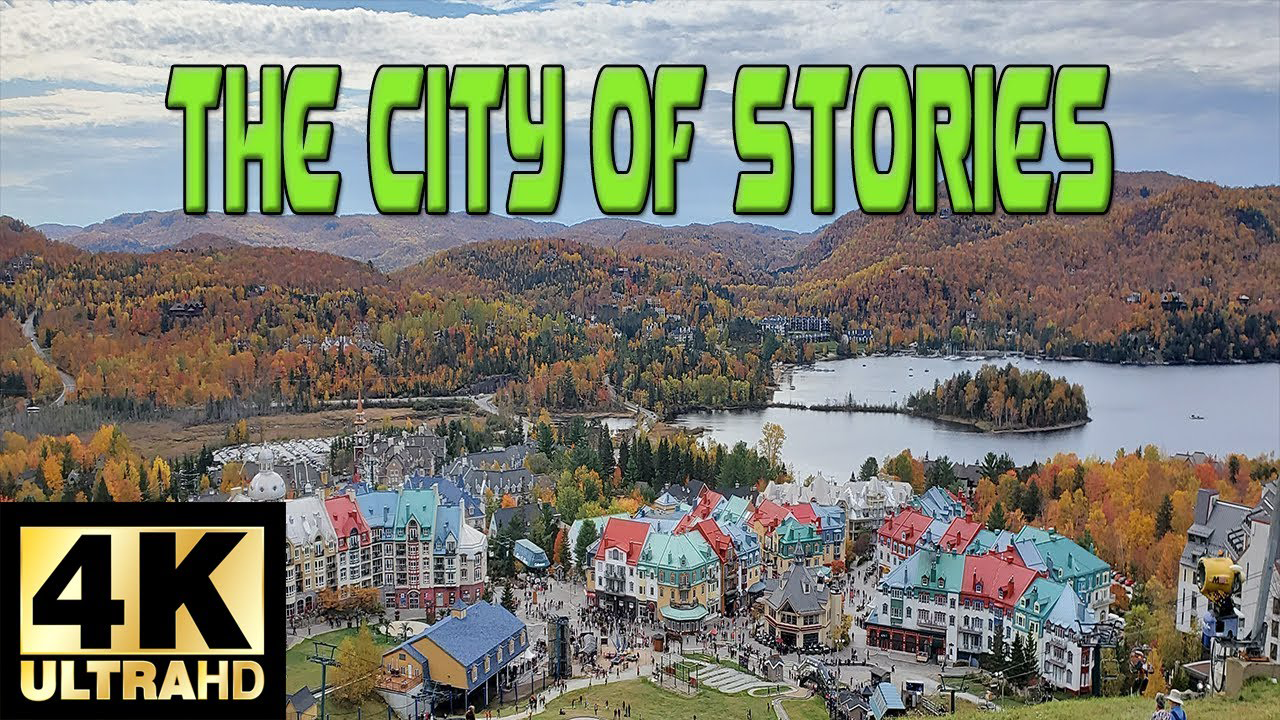
Mont-Tremblant, Quebec

Mont-Tremblant, Quebec

What is the history of Mont-Tremblant, Quebec?

Mont-Tremblant, Quebec

Mont-Tremblant is a picturesque town situated in the Laurentian Mountains in Quebec, Canada. Its history is rich and diverse, spanning centuries of Indigenous presence, European exploration, development, and eventual transformation into a popular tourist destination.

  • Indigenous Presence: The area now known as Mont-Tremblant has a long history of Indigenous presence, primarily the Algonquin people, who inhabited the region for thousands of years before the arrival of European settlers.
  • European Exploration: The first recorded European exploration in the region dates back to the 18th century when French fur traders and explorers ventured into the Laurentian Mountains. They navigated the rivers and forests for trade and exploration purposes.
  • Fur Trading Era: During the 19th century, the fur trade was a significant economic activity in the region. Trading posts were established, facilitating commerce between Indigenous peoples and European traders.
  • Development of Mont-Tremblant Village: Mont-Tremblant began to take shape as a village in the late 19th and early 20th centuries when the area attracted loggers and workers involved in the timber industry. In 1893, the first post office was opened, and the village started to grow.
  • Recreational Development: In the 1920s, Mont-Tremblant began to gain recognition as a recreational destination. Joseph Bondurant Ryan, an American millionaire, saw the potential of the area for skiing and developed the Mont-Tremblant Lodge in 1939, marking the birth of the ski resort.
  • Ski Resort Expansion: Over the years, the ski resort expanded, attracting visitors not only from Canada and the United States but also from around the world. The area became renowned for its skiing facilities, breathtaking scenery, and outdoor recreational activities.
  • Cultural and Tourism Hub: Mont-Tremblant has evolved into a cultural and tourism hub, offering not only skiing but also a wide range of activities throughout the year. Its charming village, diverse dining options, hiking trails, golf courses, and festivals attract visitors seeking both adventure and relaxation.

Today, Mont-Tremblant is known as a year-round destination, offering skiing and snowboarding in the winter and activities like hiking, mountain biking, golfing, and water sports during the warmer months. Its rich history, combined with its natural beauty and recreational offerings, continues to make it a popular destination for tourists and outdoor enthusiasts alike.


let’s to see video from our YouTube channel.

If you want to see more post, please click here.


Budgie Birds

Ten tips to keep a Budgie birds at home?

Here are ten tips to help you keep a better blue budgie at home:
  1. Provide a spacious cage: Your blue budgie will need plenty of space to fly and exercise, so make sure you provide a cage that is big enough for them to stretch their wings.
  2. Offer a balanced diet: Blue budgies require a well-balanced diet that includes fresh fruits, vegetables, and seeds. You can also offer specialized bird food pellets to ensure they’re getting all the nutrients they need.
  3. Keep the cage clean: Clean your budgie’s cage regularly to prevent the buildup of bacteria and odors. Make sure to change the water and food bowls daily.
  4. Provide toys and perches: Budgies are active birds and need toys and perches to keep them entertained and stimulated. Offer a variety of toys and perches of different shapes, sizes, and textures.
  5. Ensure proper lighting: Budgies need plenty of natural light to maintain good health, so place their cage near a window or provide full-spectrum lighting in the room.
  6. Offer regular exercise: Budgies love to fly and exercise, so give them plenty of time outside their cage to stretch their wings and play.
  7. Socialize with your budgie: Spend time with your budgie every day to build a strong bond and promote positive behaviors.
  8. Train your budgie: Budgies are intelligent birds and can be trained to do tricks and respond to commands. Training can also help reduce unwanted behaviors.
  9. Watch for signs of illness: Keep an eye out for signs of illness, such as lethargy, loss of appetite, or respiratory issues, and seek veterinary care immediately if you suspect your budgie is sick.
  10. Create a safe environment: Ensure your home is safe for your budgie by keeping toxic chemicals and plants out of reach, and keeping windows and doors closed to prevent escapes.


You can check more videos in our Youtube Channel.

If you want to learn more, you can check other Posts

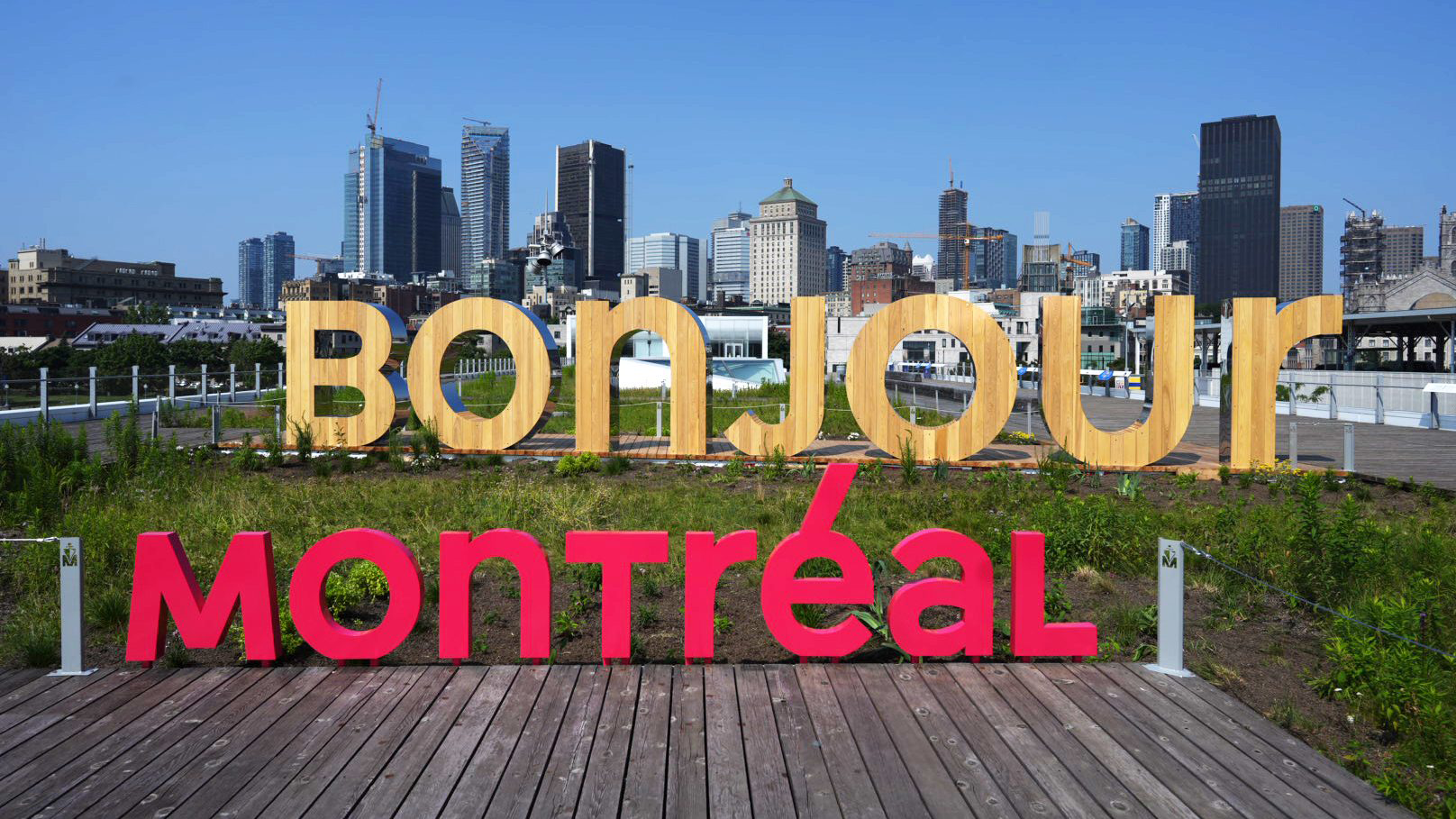
Montreal, Quebec

Montreal, Quebec

What is the history of Montreal, Quebec?

Montreal

Montreal, located in the province of Quebec, Canada, has a rich and diverse history that spans centuries.

Indigenous Settlements: The area where Montreal now stands has been inhabited for thousands of years by Indigenous peoples, including the Kanien’kehá:ka (Mohawk), Anishinaabe (Algonquin), and other nations. They established trading routes and settlements in the region.

Colonial Era: In the 16th century, French explorer Jacques Cartier arrived in the area, claiming it for France. However, it wasn’t until 1642 that the city of Montreal was officially founded by Paul Chomedey de Maisonneuve and Jeanne Mance, who established a missionary settlement called Ville-Marie.

Strategic Importance: Montreal’s location at the confluence of the St. Lawrence and Ottawa rivers made it a crucial hub for the fur trade and transportation. It became a key point in the French and British struggle for dominance in North America.

British Rule: After the British defeated the French in the Seven Years’ War (1756-1763), Montreal, along with the rest of New France, came under British control through the Treaty of Paris in 1763. The city’s cultural and economic landscape changed under British rule.

Growth and Industrialization: Throughout the 19th century, Montreal experienced significant growth and industrialization, becoming Canada’s largest city. The Lachine Canal (completed in 1825) boosted trade, and the expansion of railroads furthered its economic importance.

Cultural Diversity: Montreal has been a melting pot of cultures, attracting immigrants from Europe, Asia, the Middle East, and elsewhere. This diverse population contributed to its rich cultural tapestry, shaping its art, cuisine, and traditions.

Language and Identity: Montreal is known for its bilingualism, with a significant French-speaking population. The city has experienced linguistic and cultural tensions between Francophone and Anglophone communities, leading to sociopolitical movements advocating for language rights and cultural preservation.

Modern Era: Montreal hosted the Expo 67 World’s Fair and the 1976 Summer Olympics, which brought international attention and contributed to its infrastructure development. In the late 20th century, political debates and referendums on Quebec’s sovereignty from Canada impacted the city’s dynamics.

Today: Montreal remains a vibrant cosmopolitan city, known for its festivals, including the Montreal International Jazz Festival and Just for Laughs comedy festival. It’s a hub for arts, culture, technology, and education, with renowned universities and a thriving creative scene.

Throughout its history, Montreal has evolved into a bustling metropolis while preserving its historic charm and embracing its cultural diversity, making it a unique and dynamic city in Canada and North America.

let’s to see video from our YouTube channel.


If you want to see more post, please click here.


Do cockatiels need sun?

Do cockatiels need to be in the sun every day?

Cockatiels, like many other birds, benefit from exposure to natural sunlight. Sunlight provides essential vitamins, particularly vitamin D3, which helps in the absorption of calcium and maintains healthy bones. It also helps regulate their circadian rhythm, promoting better sleep and overall well-being.

However, while natural sunlight is beneficial, it’s not necessary for cockatiels to be in direct sunlight every single day. They can get the required UV light exposure through indirect sunlight, supplemented by full-spectrum lighting indoors. Full-spectrum lighting mimics natural sunlight and can be used in their living environment to ensure they receive adequate UV light.

If you’re keeping your cockatiel indoors, consider providing them with access to natural sunlight for a few hours a day, either by placing their cage near a window (ensuring it’s not too drafty or too hot) or by using full-spectrum lighting. This exposure, along with a well-balanced diet, should help maintain their health and well-being. Always monitor your bird’s behavior and health and consult with an avian veterinarian if you have concerns about their sunlight exposure or overall health.

You can check more videos in our Youtube Channel.

If you want to learn more, you can check other Posts

Dorval, Quebec

Dorval, Quebec

What is the history of Dorval, Quebec?

Dorval is a suburb located on the Island of Montreal in Quebec, Canada. The area has a rich history that dates back to the late 17th century.

The name “Dorval” is believed to have originated from the French word “d’Orval,” which means “Golden Valley.” Initially settled by French colonists, Dorval began as a farming community in the 17th century. The first land concessions in the area were granted in the late 1600s to French settlers.

The Parish of La Présentation-de-la-Vierge-Marie-de-Dorval was established in 1714. The construction of the Parish Church began in 1771 and was completed in 1772. Dorval continued to develop as an agricultural community throughout the 18th and 19th centuries.

The arrival of the Grand Trunk Railway in the mid-19th century facilitated transportation and contributed to Dorval’s growth. The railway attracted industries and residents, leading to further development in the area.

In the early 20th century, Dorval underwent significant changes, transitioning from primarily agricultural to a more urbanized suburb. The construction of the Montreal-Pierre Elliott Trudeau International Airport, originally known as Dorval Airport, began in the 1940s, further influencing Dorval’s development.

In 1956, Dorval officially became a city. Over time, the city continued to evolve, attracting businesses, industries, and a growing population.

Dorval is known for its mix of residential neighborhoods, commercial areas, and green spaces. It remains an important suburb on the Island of Montreal, offering a blend of history, modern amenities, and proximity to Montreal’s downtown core and the international airport.


let’s to see video from our YouTube channel.

If you want to see more post, please click here.


Can Cockatiels eat Eggplant?

Can Cockatiels eat Eggplant?

Always introduce new foods gradually and in small quantities to monitor how your cockatiel reacts. While eggplant is safe for cockatiels, individual birds may have different preferences and tolerances. Additionally, it’s crucial to maintain a balanced diet for your cockatiel by providing a variety of fruits, vegetables, seeds, and pellets.

Cockatiels can eat lesser amounts of eggplant in moderation, as it is not toxic to them. However, it’s important to prepare the eggplant properly and offer it in small, manageable pieces. Remove any seeds, as they can be a choking hazard, and ensure the eggplant is cooked without any added oils, seasonings, or other ingredients that may be harmful to birds.

Small Portions:

Introduce new foods slowly and in lesser amounts. This helps you monitor how your cockatiel reacts to the new food and prevents overeating.

Variety is Key:

While eggplant can be part of a varied diet, it should not be the sole or primary food. Cockatiels require a diverse range of fruits, vegetables, seeds, and pellets to ensure they receive all the necessary nutrients.

Avoid Seasonings:

Do not add any seasonings, salt, or other additives when preparing eggplant for your cockatiel. Stick to plain, cooked eggplant.

Remove Seeds:

If your eggplant has seeds, make sure to remove them before offering it to your cockatiel. Some seeds may be too large or difficult for them to digest.

Always observe your cockatiel for any signs of adverse reactions after introducing a new food. If you notice any unusual behavior, digestive issues, or changes in droppings, consult with an avian veterinarian. Additionally, it’s a clever idea to consult with a vet to ensure that the specific dietary needs of your cockatiel are being met.

Cockatiels can eat a variety of fruits and vegetables as part of their diet, but it’s important to ensure that the foods you offer are safe for them. In the case of eggplant, it is safe for cockatiels to eat in small amounts. Eggplant is low in fat and calories and contains some beneficial nutrients.

Keep in mind that a cockatiel’s primary diet should consist of high-quality cockatiel pellets, supplemented with fresh fruits and vegetables. Ensure a balanced and varied diet to provide the essential nutrients your cockatiel needs for optimal health. Always consult with an avian veterinarian for specific dietary recommendations based on your bird’s individual needs and health status.

If you have any concerns or specific questions about your cockatiel’s diet, it’s advisable to consult with an avian veterinarian for personalized advice based on your bird’s health and dietary needs.


You can check more videos in our Youtube Channel.

If you want to learn more, you can check other Posts

3D Printing (Green Lantern)

3D Printing (Green Lantern)

3D Printing (Green Lantern)

Green Lantern

Green Lantern is a superhero character appearing in comic books published by DC Comics. The character first appeared in 1940 and has been portrayed by multiple individuals, each chosen to be a part of the intergalactic police force known as the Green Lantern Corps.

The Green Lantern’s power comes from a ring that grants the wearer the ability to create constructs made of solid light energy, limited only by the wearer’s willpower and imagination. Each Green Lantern is chosen by a specific alien race and wields a power ring fueled by a central power battery on the planet Oa.

The most famous Green Lanterns include Hal Jordan, Guy Gardner, John Stewart, Kyle Rayner, and others. Hal Jordan, a test pilot, is often considered the most iconic Green Lantern. He was the first human to join the Green Lantern Corps and is known for his strong willpower and determination in protecting the universe.

The character has appeared in various comic book series, animated shows, video games, and a live-action movie. The Green Lantern Corps continues to be an integral part of the DC Comics universe, fighting against threats to protect the cosmos.

Green Lantern was printed at least for 14 hours.

Now, let’s to see the video from our YouTube channel:

You can find all learning for 3D Printing by clicking here.

Parc De L’Ile Saint-Quentin

Parc De L’Ile Saint-Quentin

Parc De L’Ile Saint-Quentin

Parc de l’Île Saint-Quentin is a beautiful recreational park located in Trois-Rivières, Quebec, Canada. Its history is closely tied to the region’s development and the transformation of the island into a popular natural attraction.

The island, situated at the confluence of the Saint-Maurice and Saint Lawrence rivers, has a history dating back to the 18th century.

Originally, it was utilized for industrial purposes, with various mills and factories established to harness the water’s power for manufacturing.

In the mid-20th century, efforts were made to repurpose the island and transform it into a recreational space for the public. In 1967, as part of Canada’s Centennial celebrations, the park was officially inaugurated.

The transformation involved converting the industrial spaces into green areas, trails, picnic spots, and recreational facilities.

Over the years, Parc de l’Île Saint-Quentin has expanded and evolved, adding amenities such as playgrounds, beaches, camping areas, hiking trails, a wildlife sanctuary, and various sports facilities.

The park’s focus shifted towards environmental conservation and outdoor activities, attracting both locals and tourists looking for a serene natural environment.

The park has become a popular destination for families, nature enthusiasts, and those seeking outdoor recreational opportunities. Its lush greenery, diverse flora and fauna, along with its location along the riverbanks, make it an ideal spot for relaxation and outdoor adventures.

Throughout its history, the park has undergone several renovations and improvements to enhance visitors’ experiences while preserving the island’s natural beauty.

It continues to be an integral part of the cultural and recreational landscape of Trois-Rivières, offering a serene escape for people of all ages.


let’s to see video from our YouTube channel.

If you want to see more post, please click here.


Halloween

Halloween

What is the history of Halloween?


The history of Halloween can be traced back over 2,000 years to the ancient Celtic festival of Samhain. Here is a brief overview of the historical evolution of Halloween:

Ancient Celtic Festival of Samhain (c. 800 BC):

Samhain was celebrated by the Celts in what is now Ireland, the United Kingdom, and northern France. It marked the end of the harvest season and the beginning of winter.

It was believed that on the night of October 31st, the boundary between the living and the dead was blurred, allowing spirits and other supernatural entities to roam the Earth.

To ward off these spirits, people lit bonfires and wore costumes made of animal heads and skins.

Roman Influence (43-410 AD):

The Roman Empire conquered much of the Celtic territory, and over time, Samhain merged with two Roman festivals, Feralia and Pomona.

Feralia was a day to commemorate the passing of the dead, while Pomona was a festival dedicated to the Roman goddess of fruit and trees. This fusion introduced elements of apple bobbing and nuts as divination methods into the celebrations.

Christian Influence (7th-8th Century AD):

In an effort to Christianize Celtic traditions, Pope Gregory III designated November 1st as All Saints’ Day, a day to honor saints and martyrs.

The night before, October 31st, became known as All Hallows’ Eve (Hallowe’en), and the traditions of Samhain were gradually incorporated into these Christian observances.

Medieval and Early Modern Period (c. 16th-19th Century):

Halloween evolved in Europe, particularly in Scotland and Ireland, with customs like costuming, carving turnips (later pumpkins in the United States), and the practice of “souling,” where people went door-to-door offering prayers for the dead in exchange for food or coins.

Irish and Scottish Immigration to North America (19th Century):

The influx of Irish and Scottish immigrants to North America in the 19th century brought Halloween traditions with them. It became more secular and community-focused, with a focus on parties, trick-or-treating, and costume parades.


Commercialization and Modern Halloween (20th Century):

In the 20th century, Halloween became increasingly commercialized, with the sale of costumes, decorations, and candy.

Trick-or-treating became a popular activity for children, and the holiday evolved into a more lighthearted, festive occasion.


Today, Halloween is celebrated in many countries around the world, with various customs and traditions. It has become a holiday associated with costumes, haunted houses, parties, and the exchange of sweets. It still retains some elements of its ancient and religious roots, but for many people, it’s a fun and spooky celebration of the fall season.


let’s to see video from our YouTube channel.

If you want to see more post, please click here.